Friday, 17 January 2020

Importance of Sunlight

Endeavour of good health

Gift of Sunlight Therapy !

Let's figure out some important factors of phototherapy.
by Dr. Asma Ali (Ecologist) 
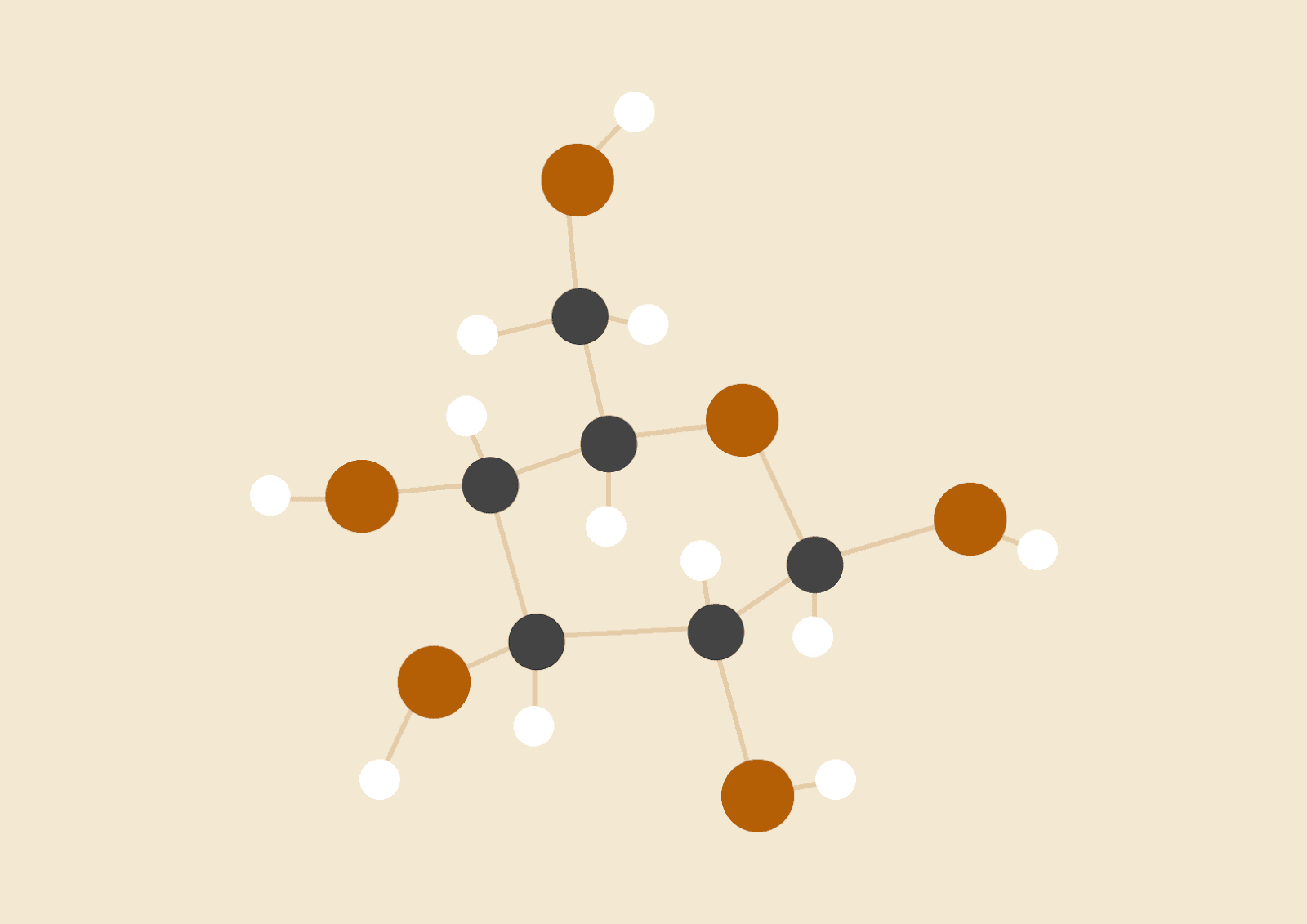
     Vitamin D was discovered in 1920 ,after a long search to cure rickets  (a painful childhood bone disease ). It is one of the 13 vitamins ,discovered in the early  20th century . Vitamins plays a crucial role in our body's metabolism ,certainly small amount is required to fill the role. Vitamin D brakes the  rules for other vitamins ,because it is produces in human body and absent from all natural food, accept fish and egg yolk.
Sun is a power bank of energy we receive and its ultraviolet rays are a large source of vitamin D. Contrary inadequate sunlight exposure results vitamin D deficiency or hypo vitaminosis D, in  humans . This deficiency impairs bone mineralization that causes bone softening diseases such as rickets, osteomalacia, osteoporosis, increased risk of bone fracture and periodontitis (tooth loss).
In my previous articles on depression (http://aura-thesaurus.blogspot.com/2019/04/road-of-recovery.html)  I didn't include hypovitaminosis D, which is a risk factor for depression,  Several studies have revealed the fact that a person with inadequate vitamin D, at a high risk  of depression.
     It is interesting to know that vitamin D2 (ergocalciferol)and vitamin D3 (cholecalciferol )both are fat soluble vitamins , without body fat, it is hard to observe vitamin D ,which goes fit in some athletes who strive to get a lean as possible. Excess amount of vitamin D can be stored in  fat tissue of a body and used during winter when sun exposure is limited.
Let's figure out
Importence of sunlight

Production of vitamin D    

When sunlight strikes on our skin, its ultraviolet rays transformed cholesterol compound into vitamin D, that is required for the absorption of calcium by the body. Awareness programmes for sunbath, throughout Europe and North America is helping to prevent rickets. But sunlight in winter  season , specially in temperate zones is too feeble to prevent rickets. For this reason doctors are looking for other alternations such as Mercury or Carbon arc lamp, which proved to be an effective preventive measure and treatment.

Trigger brain power

One study led by neuroscientist David Llewellyn of the Cambridge university, assessed vitamin D level in 1700 men and women and observed that sunlight helps spur nerve cell growth in the hippocampus which is the part of the brain responsible for forming organising and storing of memories.
                 Importantly when light enters the eye, it stimulate neurones in the hypothalamus ( a part of brain known as mood stabilizer ). These nerve impulse transfer to the pineal gland, which regulates serotonin (feel good hormone) in different circumstances , when there is dark, the pineal gland secretes melatonin hormone that controls sleep patterns by causing drowsiness.
Sun exposure eases mild depression by increasing natural antidepressant in the brain. That is because on sunny days the brain produces more serotonin (a mood lifting chemical ) then, on darker days.

Regulates eating process

                                        As we know,  that hypothalamus, is also regulates our appetite. In, sunny days our brain automatically balanced between thirst and hunger. A recent study published in the journal personality and individual differences showed that eating in a dimly lit or dark environment may trigger us to eat more.

Skin treatment like Psoriasis

The itchy, scaly, raised patches of skin that characterize psoriasis can be treated by ultraviolet light. Ultraviolet B ,which is present in natural sunlight, is an effective treatment for psoriasis. UVB penetrates the skin and slows the growth of affected skin cells.

Regulates blood pressure

Researchers at the university of Edinburgh observed that a compound nitric oxide is responsible for lowering blood pressure of the body, is released into the blood vessels as soon as sunlight touches the skin . This finding is very important because until then it was thought that sunlights only helps to produce vitamin D. Richard Weller, a senior lecturer of dermatology ,found that sun exposure not only improved our health but also prolong life.
Almost overnight ,as awareness of sun's power against rickets ,osteomalacia , osteoporosis and TB spread altitudes towards sun exposure underwent a radical shift. Sunlight therapy is not only beneficial for the treatment of bone disorder but also for TB, Rheumatic disorders, Diabetes, gout, Chronic ulcers and Wounds.


follow me on :
Twitter

Thursday, 16 January 2020

how to improve visibility, utility and citation to an educational institute


Dr. Asma Ali (Ecologist)
January 2020
 How to furnish a good quality educational institute
hhindwara has more than 300 state-sponsored schools which are affiliated to the Madhya Pradesh board of secondary education (MPBSE). In addition, there are two kendriya vidyalaya in the city affiliated to the Central board of secondary education(CBSE ).
The city is also served by numerous other private schools affiliated to either CBSE, ICSE , MPBSE. But our team observed there is a lacune of Girls school in and around Chhindwara. In this view our company is looking forward to run a girls school.


Legal business structure


budget distribution in building the school

  • Making furniture.
  • Recruiting the staff.
  • Advertisement charges.
  • Arrangement of seminar symposia and society welfare activities.
  • Involvement of advisory board.
  • Building maintenance.
overview of what our management will do :
  • To accelerate children's confidence in public speaking through group and pair activities.
  • Personality development through guest lecture and teacher -students orientation programs.
  • English language will be mandatory in school that gives choices for future development. It also develop pupils' interest ,self confidence and positive attitude towards learning a foreign language and cultivate pupils' language sense and enable good pronunciation and intonation.
Educational strategies :
  • To ask appointed teachers to plan curriculum.
  • Assessment strategies - assessment strategies helps a student to drive and measure learning and also  help to engage and interact to learn new skills.
  • Celebrate success -  To establish a positive and effective learning environment is to celebrate the learners success.
  • Safety - A good learning environment offers a safe platform for children , where they should feel safe( both mentally and physically) by supported, welcomed and respected.
  • Employ interactive games and activities - Every student should have the feeling of connectedness . They must feel that they are contributing to the overall environment ,while being a bigger and important part of a supportive learning culture.
  • Accommodation - Accommodation changes  removes barriers and provide a child with equal access to learning (classroom accommodations for dyslexia). Providing extra time on class work for a child who has slow processing speed. Success and learning is a right of every student; to exercise this right , management will guide staff to evaluate a child .Example ,letting a child with dyslexia listen to audio-books , instead of reading printed text. 

                Chart of accountability
     
sales/ marketing
operation
school website
lead generation strategies
start a class blog
self defence
post photos and videos on social media
sports / curricular activities
mobile app for school
personality development
market to high performing students
organisation of seminar and symposium
make logos, fonts ,slogan and imagery
fitness and health camp

         Our Vision :
learning, studying and doing research would not be hampered by borders. Our vision is one of transformation and includes engaging in the continuous learning, necessary in rapidly advancing world. Our institute will drag technology in the classroom for the betterment of our students learning and for sustainable development of environment.

        
     Our Mission :
Our mission is to build a better future for all. Identifying and addressing critical issues, related to the education of all people and using technology to broaden and support learning opportunity.

Our team is selected from a variety of backgrounds to promote a creative environment using our services will not be the last good decision you make.


Tuesday, 26 November 2019

Impect of climatic change on aquatic life

Trophic cascading interrelationship of aquatic communities
Monitoring and Conservation of tropical lake using cascading interrelationship analysis of aquatic communities with reference to climate changes.
Dr. Asma Ali
[Ecologist]

INTRODUCTION:

Trophic relationships are a vital component of community structure in aquatic bodies, particularly with respect to predation, competition and resource spiraling of the major components such as plankton, macroinvertebrate and fishes. Dietary habits can potentially influence every aspect of the life of the aquatic fauna, such as life cycle, choice of habitat and behavior.

Consequently the trophic ecology of aquatic fauna has received much attention from ecologists, however most of the work has been done in temperate regions of the Northern Hemisphere (Hairstone and Hairstone 1993, Merrit and Cummins 1996, Duffy 2005) and to a lesser extent, the Southern Hemisphere (Chessman 1986, Yule 1996, Kaunzinger and Morin 1998, Winemiller and Layman 2005). Data on the dietary habits of aquatic invertebrates and vertebrates are not common, particularly for organisms of tropical water bodies of central India.

Aquatic ecosystem functioning depends on multiple interactions between physical, chemical and biological determinants. Indeed, ecosystem process (productivity and nutrient recycling) result directly from the diversity of functional traits in the biotic communities, which is in turn determined by the species composition and diversity (Kelly and Haves 2005, Zanden and Fetzer 2007, Adandedjan et al. 2010). This species diversity results from both biotic interaction and environmental pressures. As a result, changes in biodiversity in response to environmental selection pressures tend to have a direct impact on ecosystem process

Thus these intricate relationships between aquatic biodiversity and ecosystem functioning has been the focus of numerous researches for several years, particularly in the event of drastically changing global climate scenario, however large tropical man made water body, such as the Upper Lake in Bhopal, has not at all been subjected to a food web interrelationship analysis. Thus there is no information available on the comparative assessment of climate change scenarios based on aquatic food web modeling, resulting in a rapid eutrophication of this largest man made lake.                         
In an aquatic ecosystem, each species either invertebrate or vertebrate has the potential to perform an essential role in the persistence of the aquatic food web and the ecosystem and that species may remain as the sole representative of a particular functional group. At some level where each species is unique, overlapping in resource use among species in not unusual, especially in freshwater food webs.

Many benthic invertebrates are predators that control numbers, locations and sizes of their prey, benthic invertebrates supply food for both aquatic and terrestrial vertebrate consumers e.g. fishes, turtles and birds, finally benthic organism accelerate nutrient transfer to overlaying open waters of lakes as well as to adjacent riparian zones of streams (Abell et al., 2008, Heino et al. 2009, Matthews and Wickel 2009).

The extent of understanding the effect of aquatic fauna and flora in a freshwater ecosystem food web process varies with the type of fresh water system. Food chain length is a measure of the number of energy transfer or trophic link between primary producers and top predators in an ecosystem also plays an important role in regulating biogeochemical fluxes, fisheries productivity and contaminant bioaccumulation in top predators of any water body.

Climate change is one of the most crucial and influential ecological problems of our age, therefore a large number of investigations is required to deal with this problem which is increasing permanently. Climatic changes and variability can influence aquatic ecosystem in a very sensitive way, so the research of the possible effects of climate change on aquatic ecosystem means an indispensable task.

Global warming and climate change which has caused the ecological systems, biodiversity and human life to control the biggest problem of history have started to show their impacts on all living beings in the aquatic ecosystem from plankton to mammals. Global surface temperature has increased on an average of 0.74 ± 0.18ºC between the start and the end of the 20th century (Abell et al. 2008, Matthews and Wickel 2009, Heino et al. 2009).

Since we do not have the chance to reverse global warming and climate change phenomena, the only thing that needs to be done is to minimize the foreseen harms in the future. To this end, mankind needs to understand the global warming problem and cooperate on an international level using aquatic model studies of invertebrate and vertebrate species preferably in large tropical water bodies, which are in brink of eutrophication and extinction.

Upper Lake of Bhopal the largest man made lake built by Raja Bhoj in 1100 is such an example. The present work will be a very important step towards its conservation.

Previous studies of Upper Lake have often dealt with the physico-chemical parameters for taxonomy of flora and fauna of the lake (Durrani 1993, Tiwari 1999), which are clearly important components of food webs, but how their functional relationships respond to changes in species composition are not known at all. Crores of rupees have been spent by Lake Authority Bhopal and other agencies on only physicochemical and limnological studies of the lake with no data available on cascading trophic interactions of invertebrate communities; except for the preliminary work of Parveen et al. (2009), Parveen and Ali (2010), which have shown interesting findings. 
In the present research work, we will be highlight examples of how some species have a disproportionately large impact on food-web dynamics, how particular species provide essential ecosystem services and how changing climate impacts aquatic biodiversity. These ecosystem functions include sediment mixing; nutrient cycling, cascade prey predator relationship and energy flow through food webs. The present investigation will prepare a working model of lake monitoring and conservation using aquatic food web cascading interrelationships in changing climate factors likes temperature, humidity, rainfall and nutrients.

AIMS AND OBJECTIVES :

  1. To investigate the trophic importance of plankton (phytoplankton and zooplankton) in relation to species richness and pelagic primary productivity of the Lake with regard to rainfall, temperature humidity and nutrient.
  2. To determine the number of trophic  in an aquatic ecosystem and to focus the role of benthic invertebrate species in freshwater ecosystem.
  3. To assess the role of insect fauna in water quality assessment programme and their importance in aquatic food web in relation to limnological factors.
  4. To group the various fish species according to their feeding preferences, for assessing functioning of cascade trophic prey-predator relationship in the Lake.
  5. To investigate the role of macrophytes with regard to their trophic status for management and conservation of the Lake.
  6. Comparative assessment of the alternative climate change scenarios using statistical methods.

BRIEF REVIEW OF THE WORK DONE IN THE FIELD:

 
Food chain length is a measure of the number of energy transfer or trophic links between primary producers and top predators in an ecosystem, and the importance of food chain for ecosystems and their functioning have been widely documented. For example, the number of trophic levels in a central consideration to the study of the food chain dynamics (Fretwell 1987) and the structuring of the ecosystem via trophic cascades (Kelly and haves 2005, Zanden and Fetzer 2007) as well as mediating the relationship between species diversity and function (Worn 2002, Schmitz 2003, Duffy 2005).
 
Food chain also plays a role in regulating biochemical fluxes, fisheries productivity (Pauly and Christensen 1995) and contaminant bioaccumulation in top predators (Kidd 1995, Winmiller and Layman 2005).

The earliest consideration of food chain, Elton (1927) speculated that available energy ultimately limits the number of trophic levels in ecosystems. A clear prediction is that more productive should have longer food chains. This “productivity hypothesis” has found support in some studies (Kaunzinger and Morin 1998, Thompson and Townsend 2005, Kundzewicz et al., 2008), but not others (Briand and Cohen 1987). 
 
Since then, variants of the productivity hypothesis have been forwarded, most notably the productive space hypothesis, which argues that total ecosystem production should best reflect the capacity of an ecosystem to support additional trophic levels and the hypothesis that food chain length should increase with increasing ecosystem size (Post et al. 2000).

In the case of aquatic ecosystems the astonishing species richness in phytoplankton communities has stimulated many studies of the importance of competition for light and /or nutrients, or of the intermediate disturbance hypothesis have been reported by several workers such as Elliott et al. (2002) and Schippers et al., (2001). 

Similarly in case of zooplankton many views have been stressed by several investigators such as Leveque (1997) and Matondo and Msibi (2006), who showed the relationship between zooplankton and physico-chemical features of a water body, while Ward (1998) stated that there is no obvious relationship between zooplankton and dissolved nutrients. In freshwater sediments, benthic invertebrates are diverse and abundant and the integrity of the freshwater supply depends on how various benthic species make their living and contribute to complex food web.

Furthermore, there are many papers that deal more specifically with the mechanisms involved in the relationships between biodiversity of water bodies and ecosystem functioning. Notably have Yule (1996), Loreau (1998) and Conway (2005). Using a freshwater microbial community Fukami and Morin (2003) found that food web relationships in the different assemblage of species took various forms (U-shaped, hump-shaped) after 30 generations.

Concerning aquatic ecosystems more particularly Dobson et al. (2000) found in their study based on a survey of 33 lakes that for both phytoplankton and fish, the richness-productivity relationship was highly dependent on the area of the lake.

Climate change has and will continue to affect freshwater ecosystems in a variety of ways (Fukamy and Marin 2003, Heino et al.,2009). When flow regimes shift, quantitative and qualitative changes to aquatic habitat result, indirectly influencing ecosystem productivity and biodiversity. Freshwater systems are expected to experience an increase in the frequency and intensity of extreme events, such as droughts and floods ;freshwater species adapted to different, historic flow regimes might be unable to complete their life histories under these conditions. 

Climate change-induced air temperature shifts are already altering water temperature and attendant biogeochemical processes, and changes in lake volume and thermal structure are expected (Lake et al. 2000; Mohseni et al. 2003). Coastal wetlands and the lower reaches of most rivers in many regions have been affected by sea-level rise for over a century (Bates et al. 2008).

However there are very few studies on trophic relationships of water bodies and ecosystem functioning, some of these studies which have contributed to the significant advances of our knowledge on this subject in the last ten years and have provided a good overview of the challenges likely to face us in the future. 

With this goal in mind, new experiments based on trophic relationships and food web must be performed at aquatic ecosystem of tropical water bodies, which have variant cycles of trophic interactions due to large number of environmental factors. Thus in the view of above lacunae, the present study has been taken, where a detailed study of tropical lake using cascading interrelationship analysis of aquatic communities with reference to climate change.

DESCRIPTION OF STUDY AREA :

The Upper Lake is located in Bhopal city, the capital of Madhya Pradesh, the largest state of India. Constructing on earthen dam across the river Kolans in the 11th century created this lake. The Upper Lake has water spread area of 30.72 sq.km at FTL. The storage capacity is 101.6 million cu.m, the maximum and mean depth being 11.7 and 6 m. respectively. 

The Upper Lake is under a massive conservation, restoration and management project funded by overseas Economic Cooperative Fund (OECF) Japan to protect it from environmental degradation not only due to its natural aesthetic value and rich biodiversity, but also since it is the main source of potable water. Selection of the sampling sites of the Upper Lake chiefly was done on the basis of weeds and consequent biomass sampling. Sampling will be done at four sampling sites of Upper Lake viz. Bhadbhada, Van-vihar (National Park), Pump-house and Bairagarh


REFERENCES:


APHA (2010) Standard methods for the examination of water and wastewater, 23rd ed. American Public Health Association, Washington DC, Pp. 1134.


Abell R., Thieme M., Revenga C. (2008) Freshwater ecoregions of the world: a new map of biogeographic units for freshwater biodiversity conservation. BioScience 58, 403–414.


Adandedjan D., P. Laley, A. Ouattara and G. Gourena  (2010) Distribution of benthic insect fauna in a west Africal Lagoon: Porto Novo Lagoon in Benin: Science alert. Asian J. Biol.Sci.,4:116-127.


Briand F. and M. Cohen (1987) Environmental correlates of food chain length. Science 238: 956-960.


Conway, D. (2005) From headwater tributaries to international river: observing and adapting to climate variability and change in the Nile Basin. Glob Environ Change-Hum Policy Dimens 15, 99–114.


Cranston P.S. (2000) Electronic guide to the chironomidae of Australia http://entomology, UC davis. Edu/Chiro Pp.963-978.


DicksL.V., Corbet S.A., Pywell R.F. (2003): Compartmentalization in plant-insect flower visitor web. J. Animal Ecol., 71,32-43.


Dobson S.I. ,S.E. Arnott and K. L. Kottingham (2000) The relationship of lake communities between primary productivity and species richness, Ecology 81, 2662-2679.


Duffy J.E. (2005) Ecosystem consequences of diversity depend on food chain length in estuarine vegetation. Ecol.Lett.8:301-309.


Durrani I.A. (1993) Oxidative mineralization of Plankton with its impact on eutrophication of Bhopal, Barkatullah University. Ph.D. thesis ,Pp.289.


Elliot  J.A., Irish A.E., Reynolds C.S. (2001) The effects of vertical mixing on phytoplankton community: a modelling approach to the intermediate disturbance hypothesis. Fresh Biol. 46, 1291-1297.


Fretwell S. (1987) Food chain dynamics:The central theory of ecology? Oikos 50:291-301.


Fukami T. and P. J. Marin(2003) Productivity biodiversity relationships depend on the history of community assembly. Nature 424, 423-426.


Hairstone N.G. and Hairston N.G.(1993) Cause affects relationships in energy flow, trophic structure and inter specific interactions.Am.Nat.142:379-411.


Heino J., Virkkala R., Toivonen H. (2009) Climate change and freshwater biodiversity: detected patterns, future trends and adaptations in northern regions. Biol Rev 84, 39–54.


Kaunzinger C.M.K. and Morin P.J. (1998) Productivity Controls food chain properties in microbial communities. Nature 395: 495-497.


Kelly D.,J. and Haves I. (2005) Effects of invasive macrophytes on littoral zone productivity and food web dynamics in New Zealand high Country Lake.J. N. Ame.Benthological Soc. 24 (2): 300-320.


Kidd K.A. (19950: High concentration of toxaphene in fish from a subArctic Lake. Science, 269:240-242.


Kundzewicz, Z.W., Mata L.J., Arnell N. (2008) The implications of projected climate change for freshwater resources and their management. Hydrol Sci J-Journal des Sciences Hydrologiques CA 53, 3–10.


Lévêque, C. (1997) Biodiversity dynamics and conservation: the freshwater fish of tropical Africa. Cambridge University Press, Cambridge , UK .


Loreau, M. (1998) Biodiversity and ecosystem functioning: a mechanistic model. Proc. Nat. Acad. Sci.. USA, 95,5632-5636.


Matthews  J.H., Wickel A.J. (2009) Embracing uncertainty in freshwater climate change adaptation: a natural history approach. Climate and Development 1, 269–279.


Merrit R.N. and Cummins K.W.(1996) An introduction to the aquatic insects of North America.Kendall/Hunt publishing, 488.


Matondo J.I., Msibi K.M. (2006) Water resource availability in three catchments of Swaziland under expected climate change. Water International 31, 514–527.


Parveen A. and A.S. Ali (2010): Temperature and food as a determinant of population persistence in the shoreline odonata community. Biosci. Biotech. Res. Comm., Vol(3) No(1), 69-73.


Parveen A., A.S. Ali and S.A. Ali (2009) Role of shoreline macrophytes in management and conservation of tropical lake. Biosci. Biotech. Res. Comm. Vol(2), no(2), 195-199.


Pauly D. and Christensen V. (1995) Primary production required to sustain global fisheries- Nature, 374:255-257.


Poff  N.L., Brinson M.M., Day J.W. (2002) Aquatic ecosystems and global climate change. Pew Center of Global Climate Change, Arlington, VA.pp. 489.


Schippers P., A.M. Verschoor, M. Vos and W.M. Mooij (2001) Does super saturated coexistence resolve the paradox of the plankton. Ecol. Let. 4, 404-407.


Schmitz O.j.(2003) Top predator control of plant biodiversity and productivity in an old field ecosystem. Ecol. Lett.6:156-163.


Taki h. and P.G. Kevan: Does habitat loss affect the communities of plants and insects equally in plant pollinator interactions, preliminary findings. Biodivers. Conserv.16, 3147-3161.


Tiwari D.R. (1999) Physicochemical studies of Upper Lake water Bhopal, Madhya Pradesh, India,Pollution res., 18 (3), 322-326, Environ.


Thompson R. M. and Townsend  C.R. (2005) Energy availability, spatial heterogeneity and ecosystem size predict food-web structure in streams. Oikos 108:137-148.


Wrona F.J., Prowse T.D., Reist J.D., Hobbie J.E., Levesque L.M.J., Vincent W.F. (2006) Climate change effects on aquatic biota, ecosystem structure and function. Ambio 35, 359–369.


Ward J.V. (1998) Riverine landscapes: biodiversity patterns, disturbance regimes, and aquatic conservation. Biol Conser 83, 269–278.


Worn J. (2002) Consumer versus resource control of species diversity and ecosystem functioning-Nature ecosystem-Oecologia, 65:86-88.


Winemiller K.O. and Layman C.A. (2005) Food web science: Moving on the path from abstraction to prediction. In De Ruiter. P.C. et al (eds), Dynamic food webs. Elsevier Press, Pp.10-23.


Yule C. M. (1996): Trophic relationships and food webs of the benthic invertebrate fauna of two seasonal tropical streams on Bougainville Island, Papua New Guinea, Journal of tropical ecology, 12: 517 – 534


Zanden M.J.V. and W.W. Fetzer (2007) Global patterns of aquatic food chain length. Oikos 116:1378-1388.


follow me on :
Twitter

Monday, 25 November 2019

how does Notonecta maculata (Odonatan) effects Dipteran communities?

Lake ecology
Dr.Asma Ali [Ecologist]
November 2019

Effect of predatory backswimmer on Dipteran communities


Effect of Predatory backswimmer N. maculata on community structure of Dipterans


Abstract :

Impact of predator N. maculata on distribution and abundance of Dipteran species Culiseta longiareolata, Tendipes tendipes and Tendipes kifferulus were investigated in an Urban Lake, Upper Lake Bhopal, India.  The impact of invertebrate predation as observed in the present study (where the abundance of Notonecta maculata decreases, population of Dipteran species), has been documented for the first time in tropical waterbody, particularly in fresh water Lake. This work provides strong evidence that N. maculata is an important organizer of community structure and strongly reduces or even eliminates larger pelagic or neustonic species, but does not affect densities of small or benthic species.


Introduction :


The population abundance of aquatic insects are usually attributed on the basis of physico-chemical parameters of water bodies by many workers (Crosswell 1949, Mitchell 1959, Smith 1988, Singh 1995, Ravera 2001, Solimini et al. 2003, Arimoro et al. 2007). A second potential source of population abundance of aquatic insects has received less attention in density - dependence interactions between insects and their food competitors or natural enemies (Hutchins 1966, Andres & Cordero 1998, Yule 1996 and Gergs and Ratte ,2009). These early studies led to an explosion of experiment which documented the effect of aquatic insect Notonecta maculata on population abundance of dipteran community in tropical lake of India.


The importance of invertebrate predators in structuring communities has received less attention, but the growing number of prey-predators relationships show that they play an important role in aquatic ecosystem (Leucke & Litt 1987, Lounibos et al. 1987, Blaustein 1990, Blaustein & Ward 1995, Matveev 1995 and Andres & Cordero 1998). Notonecta maculata belongs to family Notonectidae is most common predator of aquatic system, have been shown to have a large impact on dipteran populations as well as other macrobenthic fauna (Scott & Murdoch 1983, Chesson 1984, Murdoch et al. 1984).
          
The potential role of predators in causing cascading frequently over the last decade (Kerfoot 1987; Bronmark et al. 1992, power 1992, Carpenter & Kitcheil 1993) by directly reducing primary consumer populations, predators such as N. maculata may indirectly cause an increase in algal Proliferation. There are no long term studies of the impact of N. Maculata predation in natural populations of dipterans in tropical lake. The objective of this study was to determine whether N. maculata reduce survival and population abundance of dipterans in waterbody.


N. maculata Fabricius (Hemiptera : Notonectidae) is a pelagic predator, feed on dipterans, that have been the subject of many laboratory studies to assess predatory habits and prey behaviour (Sih 1980, Giller & Mc Neill 1981, Scott and Murdoch 1983, Streams 1994, Sherratt and Mac Dougall 1995) outside the laboratory there is a less number of predatory behaviour of Notonectidae, in temperate lake (Ellis & Borden 1970, Hazelrigg 1974, Chesson 1989, Blaustein et al. 1995) although not a single prey- predator relationship in case of N. maculata has been recorded so far in tropical lake of India.


Description of the study area -

The Upper lake is located in Bhopal city, the capital of Madhya Pradesh, the largest state of India. This lake was created by constructing on earthen dam across the river Kolans in the 11th century. The Upper Lake has water spread area of 30.72 sq.km at FTL. The storage capacity is 101.6 million Cu.m, the maximum and mean depth being 11.7 and 6 m. respectively.


Outflow from the Upper Lake which receives water, mainly through the Kolans river drains into Kaliasot river and finds its way to Yamuna river though the Betwa river. The Kolans river feeding the Upper Lake, being a seasonal river flows for few days immediately after heavy rain. A waste weir at Bhadbhada controls overflow and thereby facilitate flood control.


Upper Lake is divided into perennial water, covered, marshy and submerged cum transitional zones. Due to the shallow nature of the last zone the lake becomes exposed from post monsoon period to summer season. Therefore the lake supports mainly 3 types of vegetation consisting of more than 100 terrestrial or marshy plant species and 34 aquatic species. The aquatic species have been categorised as floating forms (10 in number) submerged forms and emergent forms.
The lake is rich in biodiversity, principle components being aquatic vegetation includes 106 species of macrophytes, 208 phytoplankton species, 105 zooplankton species and 98 aquatic or shoreline insects.


The Upper Lake is under a massive conservation, restoration and management project funded by overseas Economic Cooperative Fund (OECF) Japan to protect it from environmental degradation not only due to its natural aesthetic value and rich biodiversity, but also since it is the main source of potable water. Selection of the sampling sites of the Upper Lake chiefly was done on the basis of weeds and consequent biomass sampling.


DISCUSSION :

N. maculata cause a large negative impact on C. longiareolata populations. We attribute the negative association between the predator and prey at all sampling stations of Upper Lake.

During the peak population of Notonecta there is a declining population of the Dipterans was observed, thus hemipterans stabilizing an inverse relationship with Dipterans. This inverse relationship can be explained in terms of prey and predator interactions as the hemipterans were found to feed on the dipterans, such as Tendipes tendipes, Tendipes kiefferulus, Culiseta longiareolata and Dolichocephala irrora and eliminated the population of dipteran species. Chesson (1984) found that a congener, Notonecta hoffmani, attacked and broke up Culex egg rafts and that Culex females oviposited less in the presence of Notonecta.

Thus it appears that apart from D.O. the abundance and sparse populations of the hemipterans as well as the dipterans may not be solely due to dissolved oxygen but is due to interdependent food webs suggesting a strong cascading trophic interaction.
With regard to the concept of predation, it is generally believed that higher aquatic communities such as fishes and Urodeles are known to be important organising factors of community structure.
It has been suggested that the efficiency of predators to reduce mosquitoes in Lake water may decline with increasing nutrients. The impact of Notonecta maculata on culiseta populations may not be as great in more nutrient rich sampling stations of Upper Lake, where larval densities may be higher and Dipteran development should be faster (Blaustein & Kottler 1993). Thus in a system with a higher nutrient base, the efficiency of Notonecta to control Culiseta populations may decrease due to faster mosquito development rates or higher densities of mosquitoes. Similarly Walde (1995) found that predatory mites impact on phytophagous mite populations were reduced when nutrient levels were increased.


Notonecta species are generally most efficient at preying on pelagic species and less effective at praying on species associated with vegetation such as Tendipes tendipes, T. kifferulus. Moreover, Giller & Mc Neill (1981) have shown that N. maculata is an efficient predator in open water rather than vegetative water. These mosquitoes, being associated with the vegetation, appear to be able to coexist with N. maculata.


We conclude that Notonecta has a very large impact on Culiseta populations, then other mosquitoes. i.e. T. tendipes, T. kifferulus and D. irrorata, often driving them locally extinct while other mosquito such as T. tendipes can coexist presumably because they occupy vegetation. Our results also suggest that backswimmer N. maculata can be important organising factor of community structure.

References:


APHA (1985) : Standard methods for the examination of water and wastewater, 15th ed. American Public Health Association, Washington DC, pp. 1134.


Arimoro O. Francis, Robert B. Jkomi, Chukwuj indu M.A. Iwegbue (2007) : Water quality changes in relation to Diptera community patterns and diversity measured at an organic effluent impacted stream in the Niger Delta, Nigeria. Ecological Indicators 7, 541 - 552.
Blausten, L. (1990) : Evidence for predatory flatworms as organizers of mosquito and Zooplankton community structure in rice fields, Hydrobiologia, 199, 179 - 191.
Blaustein, L., Kotler, B.K. & Ward, D. (1995) : Direct and indirect effects of a predatory backswimmer (Notonecta maculata) on community structure of desert temporary pools. Ecological Entomology, 20, 311 - 318.
Catherine Mary Yule (1996) : Trophic relationships and food webs of the benthic invertebrate fauna of two seasonal tropical streams on Bougainville Island, Papua New Guinea, Journal of tropical ecology, 12 : 517 – 534
Chesson, J. (1989) : The effect of alternative prey on the functional response of Notonecta hoffmani, Ecology, 70, 1227 - 1235.
Chesson, J. (1984) : Effects of notonectidae (Hemiptera : Notonectidae) on mosquitoes (Diptera : Culicidae) : predation or selective oviposition, Environmental Entomology, 13, 531 - 538.
Cranston, P.S. (2000) : Electronic guide to the chironomidae of Australia http://entomology, UC davis.edu/chiro page.
Ellis, R.A. & Borden, J.H. (1970) : Predation by Notonecta maculata (Heteroptera : Notonectidae) on larvae of the yellow fever mosquito. Annals of the Entomological society of America, 63, 963 – 978
Gergs Andre and Hans Toni Ratte (2009) : Predicting functional response and size selectivity of juvenile Notonecta maculata foraging on Daphnia magna. IER, RWTH Aachen Uni. Worringer 1,52074
Giller, P.S. and Mc Neill, S. (1981) : Predation strategies, resource partitioning and habitat selection in Notonecta (Hemiptera/Heteroptera), Journal of Animal Ecology, 50, 789 – 808
Hazelrigg, J.E. (1974) : Notonecta unifasciata as predators of mosquito larvae in simulated field habitats. Proceedings of the California Mosquito control Association, 42, 60 - 65.


Hutchins, Ross E (1966) : Insects, Illustrations by Staley Wyatt Prentice - Hall, Inc. Englewood cliffs, N.J., U.S.A.
Lounibos, L.P., Frank, J.H., Machado - Allison, C.E., Ocanto, P. & Navarro, J.C. (1987) : Survival, development, and predatory effects of mosquito larvae in Venezuelan phytotelmata. Journal of Tropical Ecology, 3, 221 - 242.
.
Matveev, V. (1995) : The dynamics and relative strengths of bottom-up and top-down impact in a community of subtropical lake plankton. Oikos 73, 104 - 108.
Pennak, R.W. (1978) : Freshwater invertebrates of the United States, John Wiley, New York, pp. 801.
Petranka, J.W. & Fakhoury, K. (1991) : Evidence of chemically - mediated avoidance response to ovipositing insects to bluegills and green frog tadpoles, Copeia, 1, 234 - 239.
Ravera, O. (2001) : A comparison between diversity, similarity and biotic indices applied to the macroinvertebrate community of a small stream; the Ravera river (Como Province, Northern Italy) Aqual. Ecol. 33. 97 - 107.


Scott., M.A. & Murdoch., W.W. (1983) : Selective predation by the backswimmer, Notonecta, Limnology and Oceanography, 28. 352 - 356.
Sherratt, T.N. & MacDougall. A.D. (1995) : Some population consequences of variation in preference among individual predators. Biological Journal of the Linnean Society, 55. 93 - 107.
Sih. A. (1980) : Optimal behaviour can foragers balance two conflicting demands Science. 210. 1041 – 1042
Solimini, A.G., Ruggiero, A., Bernardini, V., Carchini, G., (2003) : Temporal pattern of macroinvertebrate diversity and production in a new man made shallow lake. Hydrobiologia 506 - 509, 373 - 379.
.
Streams, F.A. (1994) : Effect of prey size on attack components of the functional response by Notonecta undulata. Oecologia, 98. 57 - 63.
Walde, S. (1995) : How the quality of host plant affects a predator prey interaction in biological control. Ecology, 76, 1206 - 1219.
Zaret, T. (1980) : Predation and Freshwater Communities. Yale University Press, New Haven.


follow me on :
Twitter


Why do people copy a person?

  Identity theft ! Someone is trying to take away your uniqueness. by Dr. Asma Ali (Ecologist)   Let me take you to 20 years back, where r...